
 View Active Web Stores
Custom apparel is a fantastic way to create a sense of community, promote a brand, or outfit a team for a special event. An estimated 85% of customers remember the advertiser that gave them a shirt or a hat! [Source: 2019 ASI Central].
But with so many choices for apparel and printing methods, choosing the right combination can feel overwhelming. Here’s a breakdown to simplify the process for choosing the best custom apparel printing!
Selecting the Right Fabric
- Consider the Use: Are you planning a one-time event? Prioritize affordability with comfortable, basic, inexpensive t-shirts or tank tops. Thinking of long-term wear for an ongoing event? Invest in high-quality fabrics like a soft cotton or polyester blends for lasting comfort and durability that will be worn multiple times.
- Consider the Activity Level: For active wear, moisture-wicking polyester blends are ideal, while cotton shines for everyday wear. Want a more professional look? Choose a high-quality fabric for polos and dress shirts.
- Materials Matter:
- Cotton: A timeless classic, cotton is soft, breathable and absorbs ink well, making it perfect for company t-shirts and casual wear.
- Polyester: Known for its durability, wrinkle resistance, and ability to hold vibrant colors, polyester is ideal for activewear and frequently washed items.
- Blends: Offering the best of both worlds, cotton poly blends combine the comfort of cotton with the durability of polyester.
Understanding Printing Methods: Achieving Your Design Vision
Now that you’ve chosen the perfect fabric, it’s time to bring your design to life! There are a lot of options for custom printing. Choosing a professional printer will ensure that your project matches the right fabric with the right type of printing .
Here’s a breakdown of some popular printing methods to help you achieve your vision:
Selecting the Right Color: Create a Brand Impact
- Brand Identity: Align your color choices with your brand’s existing color pallet to create a cohesive and recognizable look. For instance, a sports team wouldn’t use pastel colors typically associated with relaxation.
- Target Audience: Consider the demographics of your target audience, men, women, or both. Certain colors evoke specific emotions and can be more appealing to different groups. For example, red is associated with excitement and energy, great branded clothing for athletic events. Blue conveys trust and would be good for a corporate fundraiser.
- Contrast: Make sure your design and color fabric work together. If there isn’t enough contrast between the fabric and the design, people will have trouble reading the image or making out your logo. Ask a professional for help.
Choosing the Perfect Fit
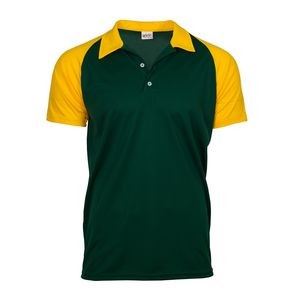
When selecting apparel, consider offering a variety of sizes to accommodate different body types. Not sure how many to order? Check out our comprehensive guide How to Choose Shirt Sizes for Groups for detailed advice on estimating size distribution for bulk orders.
Design Your Image
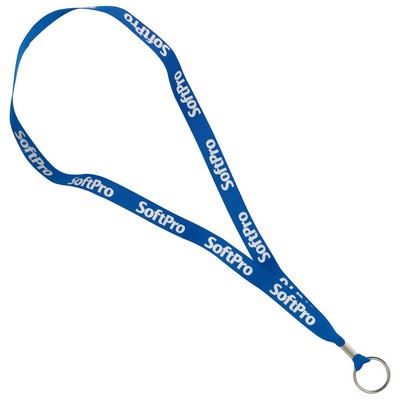
You may be using your company logo, or you may want to create a custom design for your event. Make sure you think about the design on the clothing. Will it be understandable in a small step-and-repeat pattern on a necktie or lanyard? Use a professional designer for a quality design. Your print shop may have a professional designer on staff – like Primo does.
File Formats: Keeping it Crisp and Clear
You may be using your company logo, or you may want to create a custom design for your event. Make sure you think about the design on the clothing. Will it be understandable in a small step-and-repeat pattern on a necktie or lanyard? Use a professional designer for a quality design. Your print shop may have a professional designer on staff – like Primo does.
Primo Designs: Your Expert Partner in Custom BRANDED CLOTHING
Use this guide as your starting point, and then contact Primo for a free quote.
Still not sure what to choose? Our team of experts are here to guide you through every step of the process, from selecting the perfect shirt, pants, sweatshirt, polo, or jacket matched to the right printing method that will give you a durable, high-quality product.
To make things easier, you can open a company store to have a pre-approved set of branded clothing and products available for your employees to purchase on their own.
With over 40 years as an Illinois printing company, we understand the power of custom printing for clothing and products. We offer a comprehensive selection of high-quality apparel and a wide range of innovative printing techniques to create garments that perfectly match your vision.